

Designing a Miami Vacation Rental That Commands Premium Nightly Rates
Most Miami homeowners considering short-term rental income start the conversation in the same place. Location, nightly rate, occupancy projection – those three variables sit at the top of every ROI calculation, and they matter. What sits underneath them, and what separates the properties that comfortably command a premium rate, is whether the property has been designed from the guest’s perspective or left as it was for the owner’s.
According to AirROI’s 2026 dataset, top-performing Miami properties command $530 or more per night. The market median sits at $216. That gap is not explained by building or square footage. It is explained by how the property presents itself to a guest scrolling through options at midnight. That feeling is designed, and it is not solely a function of how expensive the furniture is.
Why Design Is a Pricing Decision
Guests pay 20 to 40 percent more for properties that deliver a boutique hotel experience versus generic rentals with standard furnishings. That is not a marginal difference. On a property earning $287 per night at the current Miami market average, a 30 percent premium translates to roughly $373 per night. Across a year at 45 percent occupancy, the difference between those two numbers is over $14,000 in additional revenue from design alone, not from a better location or a higher-demand season.
The problem is that traditional vacation rentals face a professionalization problem. Guests booking in 2026 have spent years staying in properties managed by hospitality-first operators, creating expectations that owner-occupied furniture and personal decor cannot meet. A rental competes against properties with dedicated design budgets and professional staging, making amateur aesthetics a revenue liability.
A unit with dated furnishings, worn finishes, or a poorly configured layout will be priced lower and attract a different guest profile than one that has been updated and intentionally designed. The gap is not cosmetic. It is commercial.
Who Is Actually Paying Premium Rates in Miami
Before deciding how to design a property, it is worth understanding who the $341-$ 530-per-night guest actually is. Because that guest is not one person. There are several distinct profiles, and each one responds to slightly different design signals.
The first is the corporate traveller booking on a company card or expense account. This guest books further in advance, stays longer, and cares less about price than about whether the property feels professional and functions well. A dedicated workspace, reliable WiFi, a functional kitchen, and a frictionless check-in are the design priorities. The property needs to feel like a considered environment, not someone’s home.
The second is the milestone celebration group. A birthday, anniversary, bachelorette trip, or reunion where someone is spending real money to make an occasion feel special. This guest is making an emotional purchase. The design needs to make them feel the property was worth the moment. The outdoor space, bedroom photography, bedding quality, and overall visual impact of the listing do the most work here. This guest is also the one most likely to post the property on social media and generate organic reach that no advertising budget can replicate.
The third is the international leisure traveller, often arriving from Latin America, Europe, or Canada, who knows Miami’s reputation and has chosen a short-term rental over a hotel because they want space, privacy, and the feeling of living in the city rather than passing through it. This guest compares the property to high-end hotels they have already stayed in. The reference point is not the Airbnb next door. It is the Mandarin Oriental.
Understanding which profile a property is best suited to attract changes everything from furniture selection to how the listing description is written. A property designed and positioned for none of them specifically will price for none of them in particular.
The Elements That Actually Move Nightly Rate
Not every design decision carries the same commercial weight. The ones that move nightly rate directly are the ones that show up in photographs and that guests mention by name in reviews.
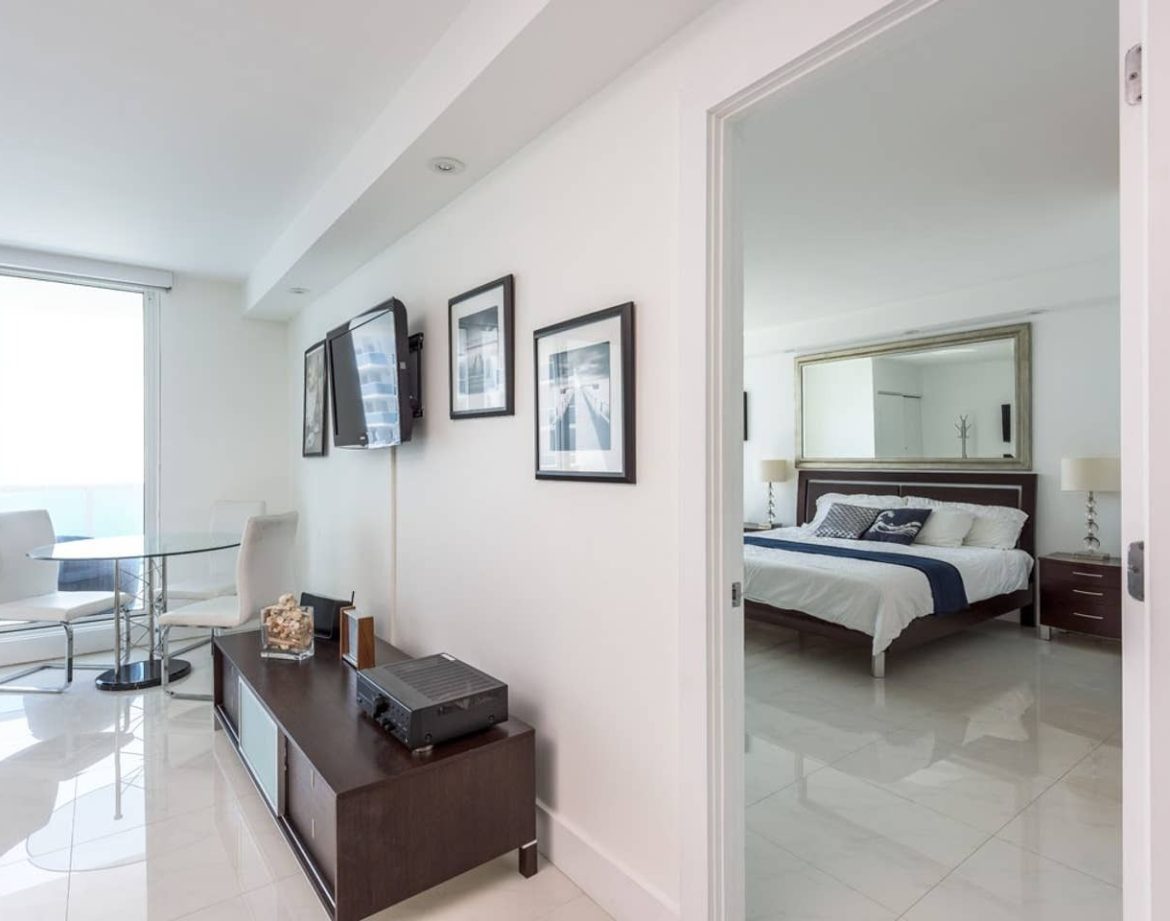
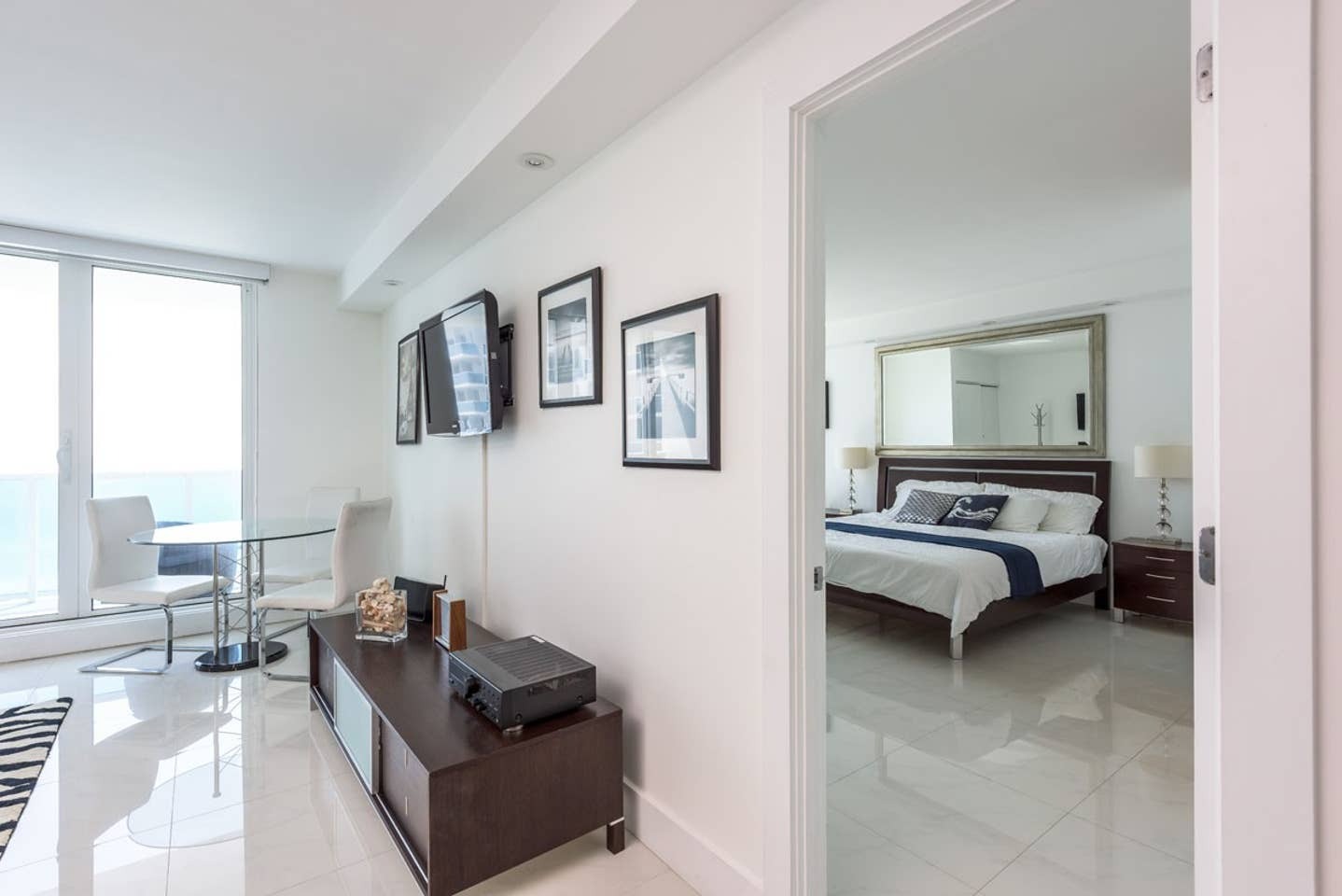
The bedroom is where the rate is set or lost. It is the room guests photograph upon arrival, the room they mention first in a review, and the room that determines whether the stay felt like a treat or a transaction. Quality bedding at hotel standard, a headboard that creates a sense of intention in the room, adequate bedside lighting on both sides, and enough storage for two people to unpack for a week without stacking bags on the floor are not luxury additions. They are the baseline that premium pricing requires. A bedroom that looks like a guest room in someone’s house will price like one.
The kitchen follows. Spaces that exceed expectations generate enthusiastic reviews mentioning specific details, the kitchen layout, bedroom comfort, or outdoor setup. Those specifics convince future bookers to pay the asking rate. A kitchen that photographs as genuinely usable, with clear counter space, quality appliances, proper lighting, and the kind of setup that suggests someone thought about what a guest actually needs to cook with, signals longer stays and higher rates. A kitchen that looks like it was set up quickly with whatever was available signals a weekend stopover.
Lighting deserves its own conversation because it is the single most underinvested design element in Miami short-term rentals and has an outsized effect on how a property photographs. Overhead lighting alone makes every room look flat and slightly institutional. Layered lighting, with warm ambient sources at different heights alongside task and accent lighting, is what makes a property photograph like a hotel lobby and feel like one when a guest walks in. The cost of adding thoughtful lighting to a Miami property is modest relative to its impact on nightly rate and review language.
The Design Mistakes That Cap Your Rate Before a Guest Books
The positive case for design is useful. The negative case is often more actionable, because some of the most common design decisions actively signal a lower price point to a guest before they have read a single word of the listing description.
Personal family photographs left on walls are the most frequently cited example. It is not that guests object to warmth. It is that personal photographs signal that the property is someone’s home being rented out, which places it mentally in a different category from a property designed for guests. The category shift happens in seconds during a scroll and suppresses the rate at which a guest is willing to consider before they have looked at anything else.
Mixed furniture styles accumulated over time rather than chosen together read as provisional rather than intentional. A sofa from one era, dining chairs from another, and a bedroom set that does not relate to either signal that the property was furnished through convenience. Guests cannot always name what bothers them about it. They just feel it and use it to justify a lower expectation of the stay.
A made bed with flat pillows is the specific detail that costs more listings their premium positioning than almost any other single element. Hotel-standard bedding with properly layered pillows, a throw, and a headboard that anchors the room separates a bedroom that photographs at $350 a night from one that photographs at $180. The cost difference in actual bedding investment is modest. The revenue difference is not.
Bathroom toiletries in a plastic shower caddy, a visible toilet brush, and mismatched towels folded without visual consideration collapse the sense of quality a guest built from the bedroom. The bathroom is the room guests assess most critically for cleanliness and finish, and small details there undo larger investments made elsewhere.
Color and material choices are where many homeowners make the same mistake. Playing it safe with beige, grey, and generic finishes produces a result that is inoffensive but forgettable. Miami’s design context is bold. The city’s architecture, its outdoor life, its cultural identity, and the aesthetic expectations of the international guests who book here all lean toward spaces that have a point of view. A property with a considered palette, with artwork that was chosen rather than placed, and with materials that feel tactile and real rather than flat and laminated, photographs differently and is remembered differently. That memorability translates directly into reviews that mention specific design details, and those details are what justify premium pricing to the next guest reading them.
Outdoor Space as a Rate Multiplier
Luxury features like private pools, hot tubs, smart home tech, and pet-friendly options justify higher pricing, and in homes with premium amenities in markets like Miami, net profit margins can reach up to 45 percent. The outdoor space in a Miami property is not supplementary to the interior. For a significant share of the guests who book here, it is the primary reason they chose a short-term rental over a hotel room.
A pool area that has been designed rather than simply maintained commands a materially different rate from one that has been left as built. This means comfortable outdoor furniture and photographs well, not plastic sun loungers that look like they belong at a public pool. It means lighting that makes the space usable after dark, which in Miami means it extends the usable hours of the outdoor area through the most social part of the evening. It means plants and greenery that add texture to the space and soften the hardscape in photographs. And it means a table and seating arrangement that allows guests to actually eat outside rather than simply sit near the pool.
For properties without a private pool, the balcony or terrace becomes the equivalent of this conversation. A well-furnished balcony with a view that is photographed properly, with seating that is comfortable and scaled correctly to the space, adds a meaningful premium to the nightly rate. A balcony with two plastic chairs pushed against the railing adds almost nothing.
The Review Cycle That Sustains Premium Pricing
Design does not just set the nightly rate at the listing. It sustains the rate over time through the review cycle that determines whether a property holds its premium or slowly discounts to compete.
Review scores function as pricing permission slips. A property averaging 4.7 stars that climbs to 4.9 stars can increase rates from $200 to $222 per night while maintaining occupancy. Over 200 annual bookings, that ratings improvement adds $4,400 in revenue without changing the calendar. Design drives this cycle because guests review what they see and experience.
The reviews that justify premium rates in Miami’s competitive market are the ones that name specific things. The kitchen. The bedding. The outdoor space. The way the light came through the windows in the morning. These specifics are what future guests read when deciding whether the price is worth it, and they are only generated by a property where those specific things were designed to be noticed. A property that generates generic five-star reviews, “clean and well-located,” sits in a different pricing tier from one that generates reviews where guests describe the experience of being in the space.
The cycle builds on itself in a way that location or pricing strategy alone cannot replicate.
What to Tell the Photographer and How to Prepare the Property
Recommending professional photography is easy. Telling a homeowner what to actually do before and during a shoot is more useful because a poorly briefed photography session on a well-designed property returns far less than it should.
The bedroom should be shot with all lights on, including bedside lamps. Turn everything on. The bed should be freshly made immediately before the shoot, pillows propped, and a throw placed deliberately rather than draped casually.
The kitchen should be cleared of everything that is not decorative. No dish rack, no paper towels on the counter, no appliances that are not part of the visual story. A bowl of fruit, a cutting board with a clean knife, and a styled coffee station are sufficient to signal that the kitchen is functional without cluttering the frame.
Twilight exterior shots, taken in the twenty-minute window after sunset when ambient light balances with interior and pool lighting, produce a quality of photograph that changes the emotional register of a listing. Properties that include a twilight exterior or pool shot in their listing gallery consistently outperform those that do not on first-click engagement, which is the metric that determines whether a guest reads the listing at all.
The outdoor space should be photographed with furniture in use positions rather than pushed back against the perimeter. A pool photograph with sun loungers angled toward the water, and a side table with a drink on it, communicates something different from the same space with furniture stacked or pushed aside for cleaning.
MRMVR includes a professional photoshoot, valued at $350 and above, at no cost when you sign with us. Designing a vacation rental that commands premium rates explores why every visual element, from interiors to photography, is a revenue decision that shapes perceived value and helps properties command higher nightly rates from day one.
The Listing Description That Translates Design Into Revenue
A property can be beautifully designed and professionally photographed and still leave money on the table if the listing description does not translate what the design delivers into language that justifies the rate to a guest reading it for the first time.
The specific words used to describe a bedroom, kitchen, or outdoor space directly affect whether a guest feels the price is fair or high. “King bedroom with hotel-quality linens and blackout drapes” communicates something different from “master bedroom.” “Fully equipped chef’s kitchen with Nespresso, quality cookware, and counter space for meal prep” communicates something different from “full kitchen.” “Private heated pool with sun deck and evening lighting” communicates something different from “pool access.”
The listing description is not a summary of what the property has. It is a case for why the price is worth it, and homeowners whose listings convert at higher prices are almost always the ones whose descriptions make the rate feel like value rather than cost.
What to Invest In First
The question most Miami homeowners ask at this point is a practical one: where does the investment go first, and what returns the most? The answer differs by property type and current condition, but there is a clear priority order.
Photography before anything else. Professional design lifts ADR by 10 to 25 percent, with top performers seeing 40 to 60 percent gains in competitive markets. Properties with quality photography after design work see 10 to 20 percent revenue increases immediately. A property that has been designed and is being photographed poorly is leaving the majority of its design investment on the table. The photography is the design, as far as a guest deciding whether to book is concerned.
After photography, the bedroom and outdoor space return the most in Miami’s market. A kitchen renovation or bathroom upgrade matters, but they matter less than those two rooms done well.
Smart home features belong in this conversation as well. Smart home technology is specifically cited alongside private pools, hot tubs, and designer furnishings as premium amenities that justify higher nightly rates in markets like Miami. Keypad entry, smart thermostats, and automated lighting are not just operational conveniences. They are signals of quality that show up in the guest experience from the moment of arrival and appear in reviews in ways that reinforce premium positioning.
At MRMVR, we prepare every property we manage for the rate it should be commanding rather than the rate it happens to be at. That means an honest assessment of where design is leaving money on the table, specific recommendations for the highest-return improvements in your property’s neighbourhood and price bracket, and professional photography that captures what the property is actually worth.
Frequently Asked Questions
How much does design actually affect nightly rates for Miami vacation rentals in 2026? According to 2026 research from AvantStay, guests pay 20 to 40 percent more for properties that deliver a boutique hotel experience versus generic rentals with standard furnishings. Professional design lifts average daily rate by 10 to 25 percent, with top-performing properties in competitive markets like Miami seeing gains of 40 to 60 percent. Properties with quality photography following a design upgrade see 10 to 20 percent revenue increases immediately.
What is the difference in nightly rates between top-performing and median Miami vacation rentals in 2026? According to AirROI’s 2026 dataset, the top ten percent of Miami short-term rental listings command nightly rates of $530 or more. The top 25 percent achieve $341 or higher. The market median sits at $216 per night. The gap between median and top-performing properties is primarily explained by listing quality, design standard, and amenity presentation rather than location alone.
Which rooms have the most impact on the nightly rate for a Miami vacation rental? The bedroom and outdoor space, particularly pool areas or well-furnished terraces, carry the most weight in a Miami context. These are the rooms guests photograph on arrival, discuss first in reviews, and reference most specifically when justifying a booking to themselves or others. Kitchen quality and bathroom condition follow, but their impact on pricing is secondary to the bedroom and outdoor presentation.
Does lighting really affect how much a Miami vacation rental can charge? Yes. Layered lighting, combining ambient, task, and accent sources at different heights, is one of the most underinvested and highest-impact design elements in Miami short-term rentals. It determines how the property photographs and how it feels on arrival. Properties with flat overhead-only lighting consistently underperform in both photography quality and review language compared to properties where lighting was considered as part of the design.
How do reviews connect to design in Miami vacation rentals? Reviews that name specific design details- the kitchen layout, the bedding quality, the outdoor setup- are what justify premium pricing to future guests. A property averaging 4.7 stars that improves to 4.9 stars can raise its nightly rate while maintaining occupancy, adding over $4,400 per year across 200 bookings without changing anything else. Design drives this cycle because guests review what they actually experienced, and specific experiences come from intentional design.
What smart home features are worth investing in for a Miami vacation rental? Smart locks and keypad entry, smart thermostats, and automated or app-controlled lighting are the features that consistently appear in reviews as quality signals. They improve the guest experience from the first moment of arrival and position the property alongside professionally managed premium inventory rather than owner-managed listings.
What is the most cost-effective first investment for a Miami homeowner wanting to command premium nightly rates? Professional photography is consistently the highest-return first investment. A property that has been well-designed but is photographed poorly loses most of the commercial value of that design work. After photography, the bedroom and outdoor space upgrades return the most in Miami’s market specifically, since these are the areas that most directly influence both the booking decision and the review quality that sustains premium pricing over time.