
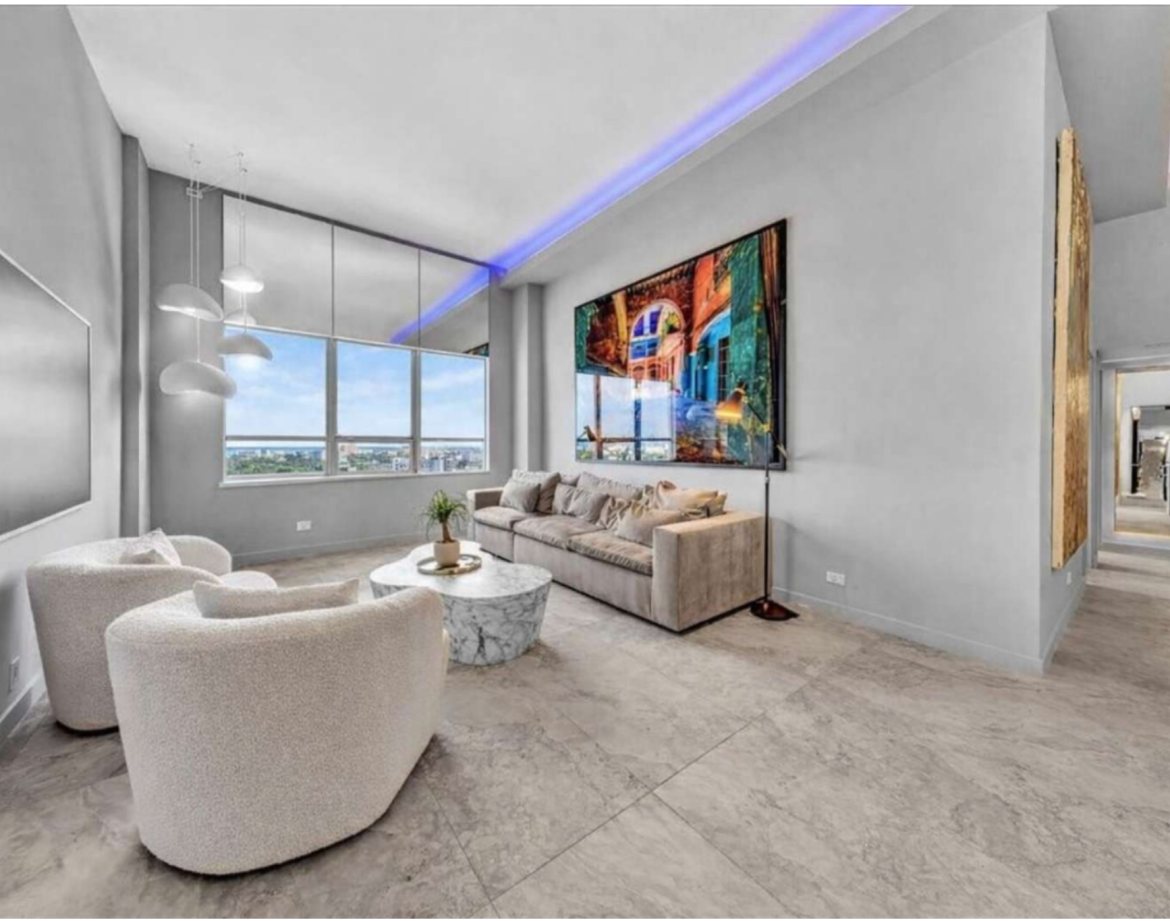

What Owners Should Know Before Furnishing a New Vacation Rental

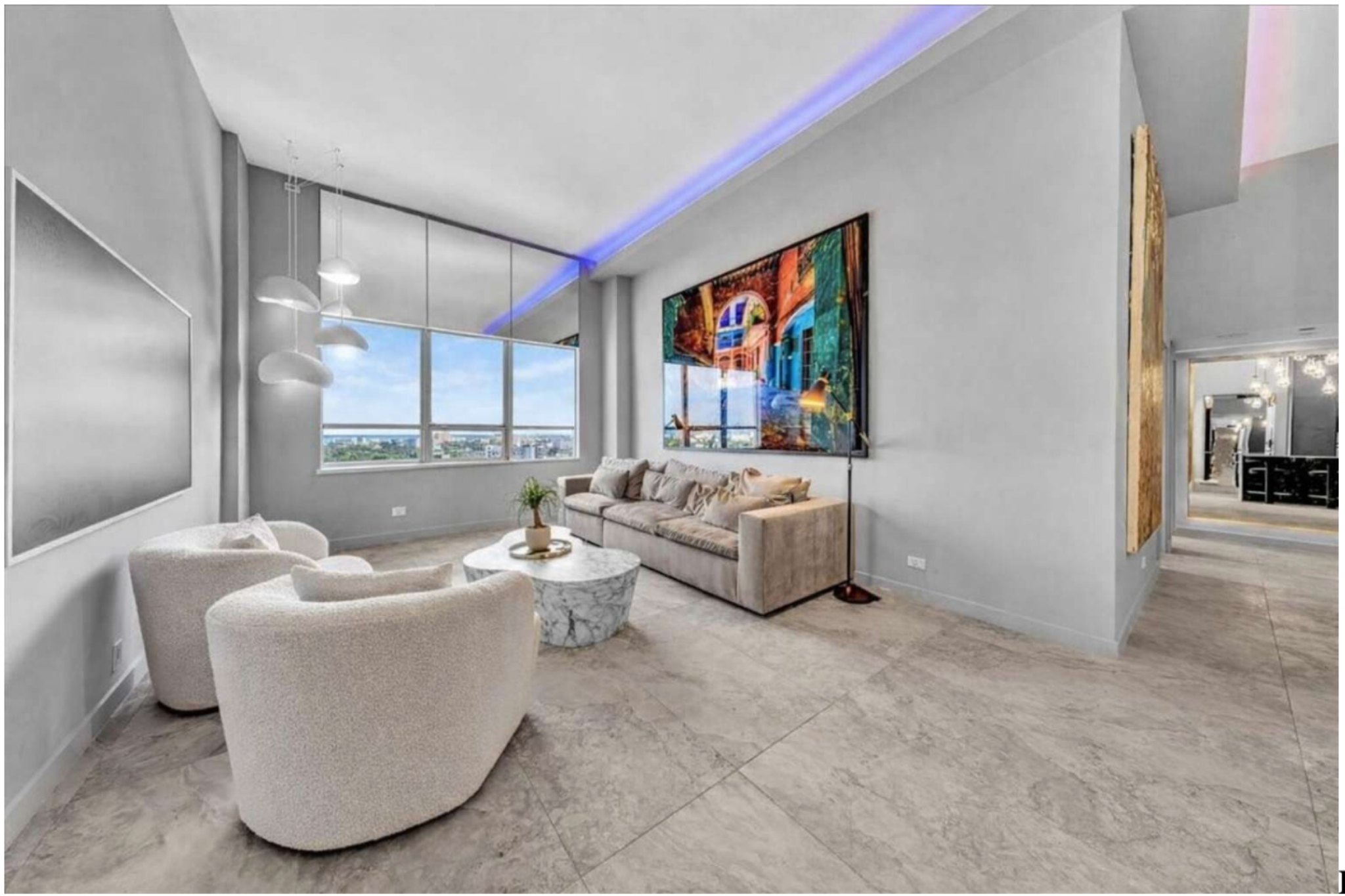
Furnishing a vacation rental is easy to underestimate.
At first, it can seem like a straightforward design project: choose a sofa, buy some beds, stock the kitchen, hang artwork, and make the place look good in photographs.
For an owner preparing a Miami property for short-term rental, the goal is not simply to create a beautiful space. It is to create one that photographs well, feels comfortable, survives frequent turnover, and makes sense for the guests most likely to book it.
Start With the Guest You Want to Attract
Before buying anything, think about who will actually stay there.
A two-bedroom Miami Beach apartment might appeal primarily to couples and small families. A larger Brickell property could attract families, groups or business travelers. A spacious home may be more suited to longer stays or multigenerational travel.
That affects everything from the dining table to the amount of storage you provide.
Ask yourself:
- How many people will realistically stay here?
- Will they cook?
- Will they work remotely?
- Are families likely to book?
- Is the property designed around the beach or the city?
- Will guests stay for two nights or two weeks?
Once those questions are answered, furnishing becomes much easier.
Comfort Is the First Investment
A vacation rental can look spectacular online and still disappoint if the fundamentals are wrong.
Start with the beds.
A good mattress, comfortable pillows and quality bedding will do more for a guest’s experience than another decorative piece ever will.
The same applies to seating.
If a property sleeps six, there should be somewhere comfortable for six people to sit. The dining table should accommodate the advertised occupancy, and the living room should feel like a space where guests can actually spend an evening together.
This sounds basic, but it is one of the easiest things to get wrong when owners focus too heavily on how a property photographs.
Furnish for Miami, Not for a Generic Vacation Rental
Miami has its own rhythm.
Guests spend time outdoors. Beach trips are common. Air conditioning is essential. Balconies, terraces, and pools can become major parts of the stay.
The furnishing should support that lifestyle.
Durable flooring is easier to maintain when guests are coming back from the beach. Washable upholstery is preferable to delicate fabrics. Outdoor furniture needs to be comfortable enough to use and durable enough to withstand Miami’s climate.
It is also worth thinking about where guests will put wet towels, beach bags, shoes and other things they would never bring into their own living room.
A little practical planning can prevent a surprising amount of wear.
Do Not Buy the Cheapest Furniture
There is a temptation to minimize costs when furnishing an entire property.
But inexpensive furniture can become expensive if it needs to be replaced frequently. The better question is not, “What is the cheapest option?”
It is, “What will perform well under repeated guest use?” Prioritize durability for the pieces guests touch every day:
- Sofas
- Dining chairs
- Mattresses
- Bed frames
- Outdoor furniture
- Coffee tables
- Frequently used kitchen equipment
You do not necessarily need the most expensive option. You need something designed to withstand hospitality-level use.
But Do Not Over-Furnish
The opposite mistake is just as common. Owners see an empty room and assume every corner needs something.
Guests need space for luggage, movement, and everyday living. Too much furniture makes even a large property feel cramped.
Keep pathways clear. Make sure drawers open fully. Leave enough space around beds. Avoid filling balconies simply because there is room to put another chair there.
A property feels more luxurious when it is comfortable to move through.
Make the Bedrooms Easy to Live In
A good bedroom should feel immediately usable.
There should be a proper place for clothing, enough hangers, usable bedside tables, and accessible outlets.
Guests should not have to keep their suitcase open on the floor because there is nowhere else to put their things. Storage is particularly important for longer stays, but even a weekend guest benefits from having somewhere to unpack.
The goal is simple: the guest should be able to arrive, put their things away, and feel settled within minutes.
The Kitchen Should Actually Work
Even guests who plan to eat out will probably use the kitchen.
Someone will make coffee in the morning. Someone will keep leftovers from dinner. A family might prepare breakfast before heading to the beach.
The kitchen therefore needs to be functional rather than simply attractive. At minimum, think about providing enough:
- Plates and bowls
- Glasses and mugs
- Cutlery
- Pots and pans
- Cooking utensils
- Cutting boards
- Basic food-preparation tools
- Coffee-making equipment
The quantities should match the property’s occupancy.
A kitchen that technically sleeps eight but only has four proper dinner plates creates unnecessary frustration.
Build a Workspace Where It Makes Sense
Miami attracts travelers who combine work and leisure, particularly in neighborhoods such as Brickell and Downtown.
If the property has room, a dedicated workspace can make it more versatile. But a workspace should be more than a desk placed beside a television.
Think about:
- Reliable Wi-Fi
- A comfortable chair
- Good lighting
- Easy access to outlets
- Enough desk space for a laptop
- A reasonably quiet location
For longer stays, these details can influence whether a guest chooses the property in the first place.
Lighting Is Part of the Experience
Lighting is easy to overlook because it seems secondary when compared with furniture.
It is not. Bedrooms need bedside lighting. Bathrooms need useful lighting around mirrors. Living rooms benefit from a combination of ambient and task lighting.
Good lighting also improves listing photography, particularly when combined with Miami’s natural daylight. Do not design the property entirely around how it looks at noon.
Think about how it feels at 10 p.m.
Choose Materials With Cleaning in Mind
Short-term rentals require a different maintenance mindset.
A surface that looks beautiful but takes an hour to clean is not necessarily a good choice. Before buying something, ask:
- Can housekeeping clean it quickly?
- Will stains be obvious?
- Can it be repaired?
- Can it be replaced easily?
- Will it still look good after repeated use?
These questions are especially important for upholstered furniture, rugs, outdoor pieces, and decorative accessories. The property should be attractive, but it also needs to be operationally realistic.
Give the Property Some Personality
Durability does not mean the rental should feel generic. Once the fundamentals are right, add character.
Artwork, books, plants, textures, and carefully chosen accessories can make a property feel connected to Miami without turning it into a theme. The neighborhood can influence the aesthetic.
A Miami Beach property may suit a lighter coastal approach. A Brickell apartment may benefit from a cleaner, more contemporary look. A family home might emphasize indoor-outdoor living.
Do Not Forget the Outdoor Space
In Miami, outdoor space is valuable.
A balcony, terrace, patio, or pool area can become one of the most memorable parts of a stay.
Give guests comfortable seating. Provide appropriate lighting. Keep the space uncluttered. Choose materials that can handle the climate. And if the property is in a beach-oriented neighborhood, think about how guests transition between the beach and the home.
A practical outdoor shower, easy-to-clean flooring, or a designated place for beach items can be more useful than another decorative accessory.
Remember That Furnishing Is Part of the Investment
The furniture is not just décor. It affects guest satisfaction, maintenance costs, photographs, reviews, and ultimately the property’s performance. That is why the best furnishing strategy balances three things:
- Guest experience: Everything needs to feel comfortable and intuitive.
- Durability: The property needs to withstand repeated use.
- Market positioning: The design needs to make sense for the neighborhood and the guests you want to attract.
When those three work together, the property feels considered rather than simply furnished.
The MRMVR Difference
Furnishing a vacation rental is ultimately about much more than making a property look good.
The home has to attract the right guest, function effortlessly once they arrive, and continue performing after hundreds of stays.
That balance is much easier to achieve when owners have a management team that understands the realities of Miami’s short-term rental market – from guest expectations and turnover to local regulations and the differences between neighborhoods.
MRMVR brings that local perspective to the properties it manages, helping owners think beyond simply getting a home listed.
FAQ
How much should I spend furnishing a vacation rental?
There is no universal number. The right budget depends on the property’s size, location, expected nightly rate, target guest, and quality level. Prioritize comfort, durability, and functionality before decorative upgrades.
What should I spend the most money on?
Beds, mattresses, sofas, dining furniture, linens, and frequently used items generally deserve the most attention because guests interact with them constantly.
Should a vacation rental be luxurious or practical?
Both. The strongest rentals combine attractive design with materials and furniture that can handle frequent use.
Should I furnish according to maximum occupancy?
Essentially, yes. Seating, dining capacity, bedding, towels, and kitchen equipment should support the property’s advertised occupancy.
Is a workspace important in a Miami vacation rental?
It can be, particularly in neighborhoods that attract business travelers and longer stays. A comfortable desk, chair, strong Wi-Fi, and convenient outlets can add meaningful value.
Should a Miami rental have beach-specific amenities?
If the property is near the beach, practical additions such as beach towels and suitable storage can improve the guest experience. Choose items that are durable and easy to clean.