

How Often Should You Refresh Your Vacation Rental Interiors?
A vacation rental does not need a complete renovation every time a new interior design trend appears. In fact, constantly redesigning a property can quickly become an unnecessary expense, particularly when the existing furnishings are still functional and appealing to guests. What does require consistent attention, however, is the gradual wear that comes with short-term occupancy.
For vacation-rental owners, the real challenge is therefore not deciding whether to renovate every few years, but knowing what needs to be replaced, what simply needs maintenance, and when a larger interior refresh is actually justified. The answer depends on several factors, including the condition of the property, booking frequency, guest feedback, design relevance, the property’s price point, and whether the rental is being positioned toward a different type of guest.
Instead of following a rigid renovation calendar, owners should evaluate their interiors continuously and refresh them according to how the property is performing.
Some areas of a vacation rental naturally require more frequent attention than others. Owners and property managers should regularly inspect high-use items such as:
- Sofas and lounge seating
- Dining chairs and tables
- Mattresses and pillows
- Towels and bed linens
- Kitchen equipment and small appliances
- Rugs and carpets
- Outdoor furniture
- Bathroom fixtures and accessories
- Lamps and lighting fixtures
- Decorative pieces that are easily damaged
Think in Layers, Rather Than One Big Renovation
One of the most practical ways to manage a vacation rental interior is to think about improvements in layers rather than treating every update as a full renovation.
Routine Replacement
Routine replacement covers the everyday items that should be changed when they become worn, damaged, outdated, or unreliable. These are relatively low-cost interventions that can have a meaningful impact on the guest experience.
Examples include towels, bedding, pillows, kitchen utensils, lamps, small appliances, shower accessories, cushions, and decorative pieces. These items should be assessed throughout the year rather than waiting for a major renovation.
Periodic Refresh
A periodic refresh changes the visual character of a property without altering its fundamental structure. This might involve introducing new artwork, rugs, accent furniture, lighting, textiles, dining chairs, or outdoor accessories.
For many vacation rentals, this type of refresh is enough to make the property feel current again while avoiding the cost and disruption of a complete redesign.
Major Redesign
A major redesign becomes appropriate when the property has become visibly dated, the existing layout no longer works, finishes are deteriorating, or the interior no longer supports the property’s market position.
This may be particularly relevant when an owner is repositioning a property toward a higher nightly rate, targeting a new guest demographic, or making significant improvements to the home. In these situations, simply replacing a few decorative pieces may not be enough to create the level of experience guests expect.
Thinking in these three layers allows owners to invest strategically instead of treating every sign of wear as a reason for a full renovation.
How Often Should Vacation-Rental Furniture Be Replaced?
There is no universal replacement schedule for vacation-rental furniture because usage varies significantly from property to property. A sofa in a highly occupied short-term rental may experience more wear in two or three years than the same sofa in a private residence would experience in a decade.
For that reason, furniture should be evaluated primarily according to condition, comfort, functionality, and appearance, rather than age alone.
Look for warning signs such as visible sagging, permanent stains, damaged upholstery, broken mechanisms, loose or unstable frames, chipped surfaces, and pieces that no longer look consistent with the rest of the property. Comfort is equally important. If guests repeatedly mention that a sofa, dining chair, or outdoor seat is uncomfortable, the issue should not be dismissed simply because the furniture is relatively new.
In some cases, repair or professional cleaning may extend the life of a piece. In others, replacement will make more financial sense, particularly when the furniture is heavily used and continues to generate complaints.
Bedrooms Deserve Special Attention
Guests may be willing to overlook a slightly dated decorative piece, but they are much less likely to overlook an uncomfortable night’s sleep.
The bedroom should therefore receive a particularly high standard of attention. Mattresses, pillows, bedding, window coverings, temperature control, lighting, and noise can all influence how guests perceive their stay, and sleep quality can have a disproportionate impact on reviews.
If a property begins receiving repeated comments about sleep quality, owners should look beyond the mattress alone. Check whether the pillows are still supportive, whether the bedding is comfortable for the climate, whether the room can be adequately darkened, and whether outside noise or excessive light is affecting the sleeping environment.
A bedroom refresh does not necessarily mean replacing everything. New bedding, upgraded pillows, better bedside lighting, blackout curtains, or improved window treatments can sometimes create a substantial improvement without requiring a complete redesign.
Kitchens and Bathrooms Can Make a Property Look Older
Kitchens and bathrooms often reveal the age of a vacation rental faster than other areas because guests interact with them frequently and tend to notice small functional problems.
Fortunately, refreshing these spaces does not always require replacing cabinets, countertops, or major fixtures. In many cases, relatively targeted improvements can make the space feel considerably newer. Owners might replace worn cabinet hardware, update lighting, introduce better storage, replace damaged utensils, upgrade small appliances, refresh towels, or replace tired bathroom accessories.
The same principle applies to functionality. A kitchen may look attractive in photographs but still frustrate guests if essential utensils are missing or appliances are difficult to use. A bathroom can appear beautifully designed but feel dated if fixtures are worn, lighting is inadequate, or accessories are visibly deteriorating.
When fixtures become unreliable or require repeated repairs, however, a larger replacement may ultimately be more economical than continually addressing individual problems.
Design Should Reflect the Property, Not Every New Trend
A vacation rental interior should feel contemporary, but that does not mean it needs to follow every design trend that appears on social media.
Trend-heavy interiors can quickly become dated, particularly when the design depends on colors, materials, or decorative styles that have a short lifespan. A more sustainable approach is to create a strong foundational design using durable, versatile materials and timeless furniture, then introduce personality through elements that can be changed relatively easily.
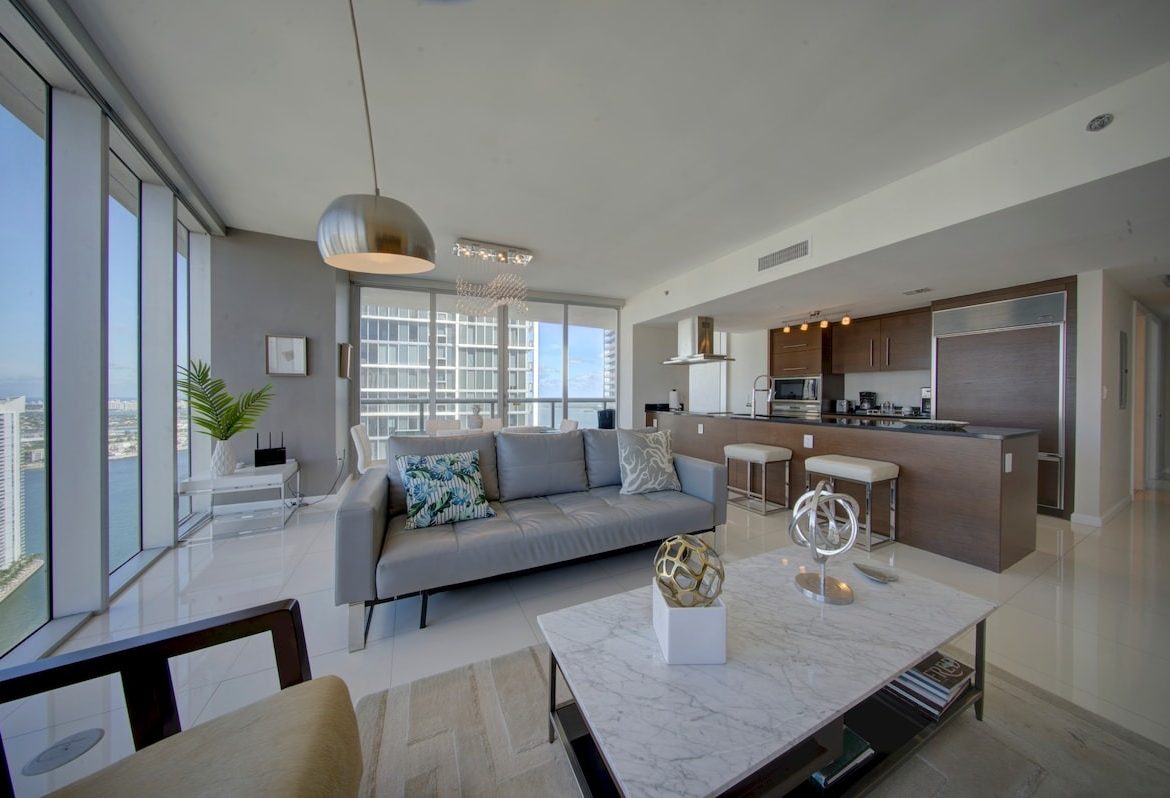
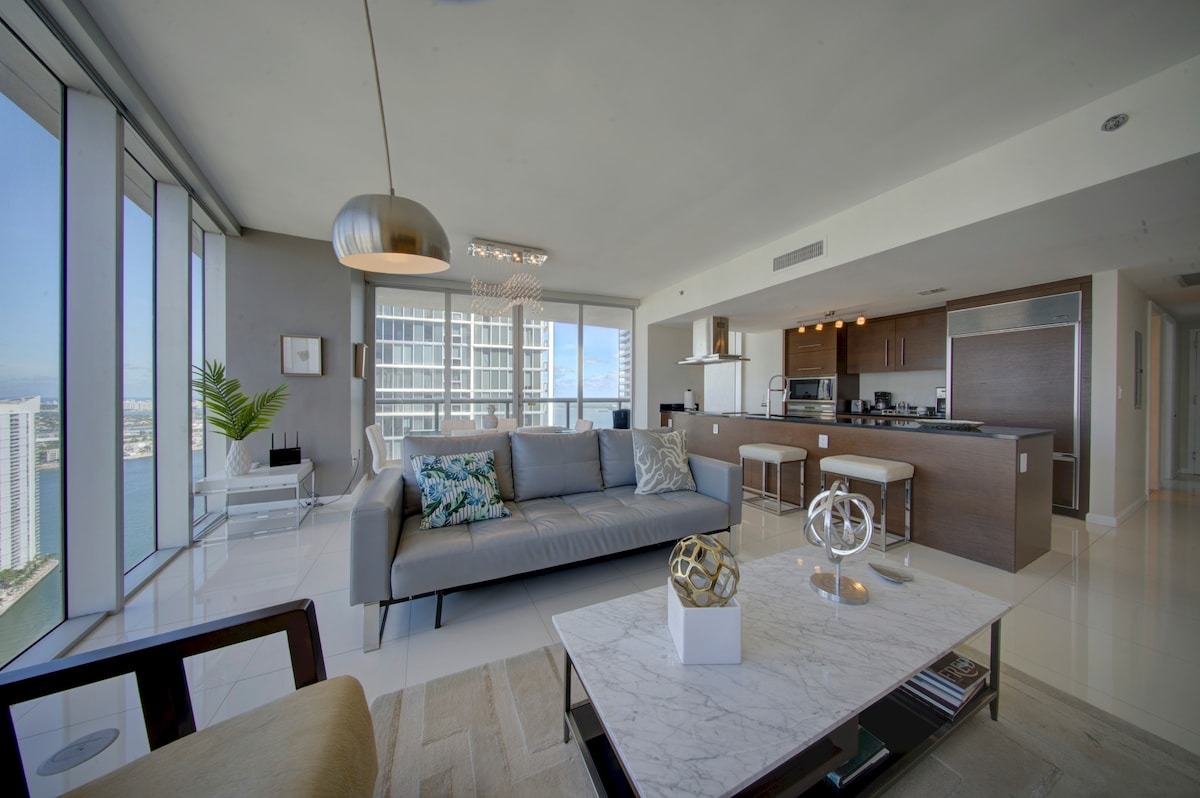
This is especially relevant in markets such as Miami, where guests may have very different expectations depending on the property’s location and positioning. Natural light, clean lines, comfortable textures, greenery, and indoor-outdoor living can complement many Miami properties, but the final design should still reflect the home itself.
A modern Brickell residence does not necessarily need to look like a beach house, while a Miami Beach property can incorporate coastal influences without relying on obvious nautical decorations. The objective is to create an interior with a clear sense of identity that feels appropriate to the location, property, and target guest.
Guest Feedback Is One of the Best Indicators
Owners can become accustomed to their own properties, particularly when they visit only occasionally. What looks perfectly acceptable to an owner may be noticeably inconvenient or dated to a guest seeing the property for the first time.
This is why guest reviews can serve as an ongoing maintenance and design audit. Rather than focusing only on individual negative comments, owners should look for recurring patterns.
For example, repeated comments about an uncomfortable sofa may indicate that the seating needs to be replaced. Multiple mentions of insufficient kitchen supplies could point to a functional gap rather than a design issue. Comments about outdated furniture, poor lighting, uncomfortable mattresses, or neglected outdoor areas can similarly reveal areas that may not be obvious during a routine owner inspection.
Not every individual comment requires an immediate renovation, but repeated feedback deserves investigation. When the same issue appears across multiple stays, it is usually worth determining whether a change could improve the guest experience.
The Property’s Price Point Should Guide the Standard
The standard of an interior should correspond with the rate being charged.
A property positioned as a premium vacation rental creates higher expectations around furniture quality, finishes, technology, comfort, cleanliness, and overall presentation. Guests paying a premium are not simply purchasing additional square footage or a desirable location. They are also paying for a particular level of experience.
This becomes especially important when an owner decides to increase the property’s nightly rate. Before raising prices, it is worth evaluating whether the interior still supports the new positioning. A property that photographs beautifully but contains worn furniture, dated accessories, uncomfortable bedding, or inadequate amenities may struggle to deliver an experience consistent with a higher price point.
MRMVR’s approach to vacation-rental setup similarly emphasizes the importance of establishing the right foundation before a property begins welcoming guests, including interior design and furnishing, professional photography, safety installations, utilities, and technology. The objective is not simply to make a property attractive at launch, but to establish an operating standard that can be maintained over time.
How Often Should You Review Your Vacation Rental Interior?
Rather than relying on a single renovation cycle, owners can use a layered maintenance schedule to determine when different types of updates are appropriate.
Throughout the year: Address visible damage, replace worn linens and towels, repair furniture, replenish kitchen supplies, and resolve issues identified through guest feedback.
Every year: Conduct a broader review of furniture condition, lighting, décor, kitchen equipment, bathrooms, bedrooms, outdoor spaces, and technology. This is also a good time to assess whether the property still matches its photography and listing presentation.
Every few years: Consider a broader design refresh if the property is beginning to look dated, if furnishings have experienced significant wear, or if guest feedback reveals recurring concerns about the interior.
When the property’s positioning changes: Reassess the interior whenever you move into a higher price category, target a different guest segment, make significant improvements to the home, or change the property’s overall marketing strategy.
Occupancy should also influence how frequently these reviews happen. A vacation rental that is booked consistently throughout the year will naturally experience more wear than a property that receives occasional bookings. High occupancy is positive for revenue, but it also means that furnishings, appliances, linens, and finishes require more frequent inspection and replacement.
A Refresh Does Not Always Mean Spending More
One of the biggest misconceptions about vacation-rental design is that making a property feel newer requires a major financial investment.
In reality, some of the most noticeable improvements can be relatively simple. Replacing faded bedding, upgrading bedside lamps, introducing new artwork, changing worn dining chairs, refreshing rugs, improving outdoor seating, or replacing tired kitchen accessories can significantly improve how a property feels.
The important question is not, “What can I renovate?” but rather, “What is currently reducing the quality of the guest experience?”
That shift in perspective helps owners prioritize spending where it is most likely to make a difference.
The MRMVR Difference
Keeping a vacation rental competitive requires more than making a property look attractive when it first launches. Interiors need to be monitored, maintained, and refreshed as guest expectations, occupancy levels, property positioning, and market conditions change.
MRMVR’s property setup process brings together interior design and furnishing, professional photography, safety installations, and utility and technology setup to create a structured foundation before a property begins welcoming guests. Ongoing management then becomes just as important as the initial setup.
A well-managed vacation rental should not be allowed to deteriorate simply because its furniture technically still functions. At the same time, owners do not need to completely redesign a property every time a new trend emerges. For owners, the goal is ultimately simple: keep the property feeling intentional, comfortable, current, and appropriate for the experience guests are paying for.
FAQ
How often should a vacation rental be redecorated?
There is no universal schedule for redecorating a vacation rental. A broader design refresh every few years can make sense for a heavily occupied property, but smaller updates should happen whenever furniture, décor, lighting, textiles, or finishes begin to look worn or no longer complement the property’s positioning.
How often should vacation-rental furniture be replaced?
Furniture should be replaced according to condition, comfort, functionality, and appearance rather than age alone. High-use pieces in frequently booked properties may require attention significantly sooner than furniture in lightly occupied rentals.
Should I follow the latest vacation-rental interior design trends?
Not necessarily. A timeless foundation with durable furniture and finishes generally provides greater long-term value than an interior built entirely around short-lived trends. Seasonal or contemporary elements can be introduced through artwork, textiles, accessories, and other items that are easier to replace.
How do I know when my vacation rental needs a refresh?
Repeated guest comments, visibly worn furniture, outdated listing photographs, declining presentation quality, damaged furnishings, or a mismatch between the property’s interior and its nightly rate are all useful indicators. If several of these factors appear together, a broader refresh may be worth considering.
Should I renovate before raising my vacation rental’s price?
If you are repositioning a property at a higher price point, its condition, furnishings, amenities, and overall presentation should support that positioning. Higher rates generally create higher expectations, so it is worth reviewing the guest experience before making a significant pricing change.
Can small changes make a vacation rental feel newer?
Yes. New bedding, lighting, artwork, rugs, dining chairs, outdoor furniture, kitchen accessories, towels, and bathroom fixtures can make a property feel considerably fresher without requiring a complete renovation.
How often should I inspect my vacation rental’s furniture?
Furniture should be visually inspected regularly, particularly in high-occupancy properties. A more comprehensive annual review can help identify sagging, stains, structural damage, worn upholstery, loose hardware, and other issues before they become recurring guest complaints.
Does professional vacation-rental management help with interior upkeep?
Professional management can help identify maintenance and guest-experience issues between stays, coordinate repairs and replacements, monitor recurring guest feedback, and determine when furnishings or other elements require attention. This can be particularly valuable for owners who do not visit the property frequently.
Does a high-occupancy vacation rental need more frequent interior updates?
Usually, higher occupancy means more frequent wear on furniture, linens, appliances, flooring, and other high-use areas. This does not necessarily mean the property needs more frequent full renovations, but it does mean that inspections, maintenance, and targeted replacements should happen more consistently.
Is it better to renovate everything at once or update a vacation rental gradually?
A gradual, needs-based approach can often be more practical because it allows owners to prioritize the areas that have the greatest impact on guest experience and property positioning. A complete redesign may make sense when the property has become significantly dated or is being repositioned, but routine wear can usually be addressed through smaller, targeted improvements.